Gokyo Valley Trek Popular

Everest Region

Moderate

Informations

Duration
13 Days
Price
USD 1200 1300
Maximum Altitude
5200
Difficulty Level
Moderate
Suitable Season
March-may / September-November
Accommodation
Hotel/ Lodges/ Teahouse ( Twin Share )
Start Point
Kathmandu
End Point
Kathmandu
Group Size
10+
Location
Everest Region
Age Range
10-75 Years
Transportation
Flight/jeep

Gokyo Valley Trek: The Emerald Heart of the Khumbu

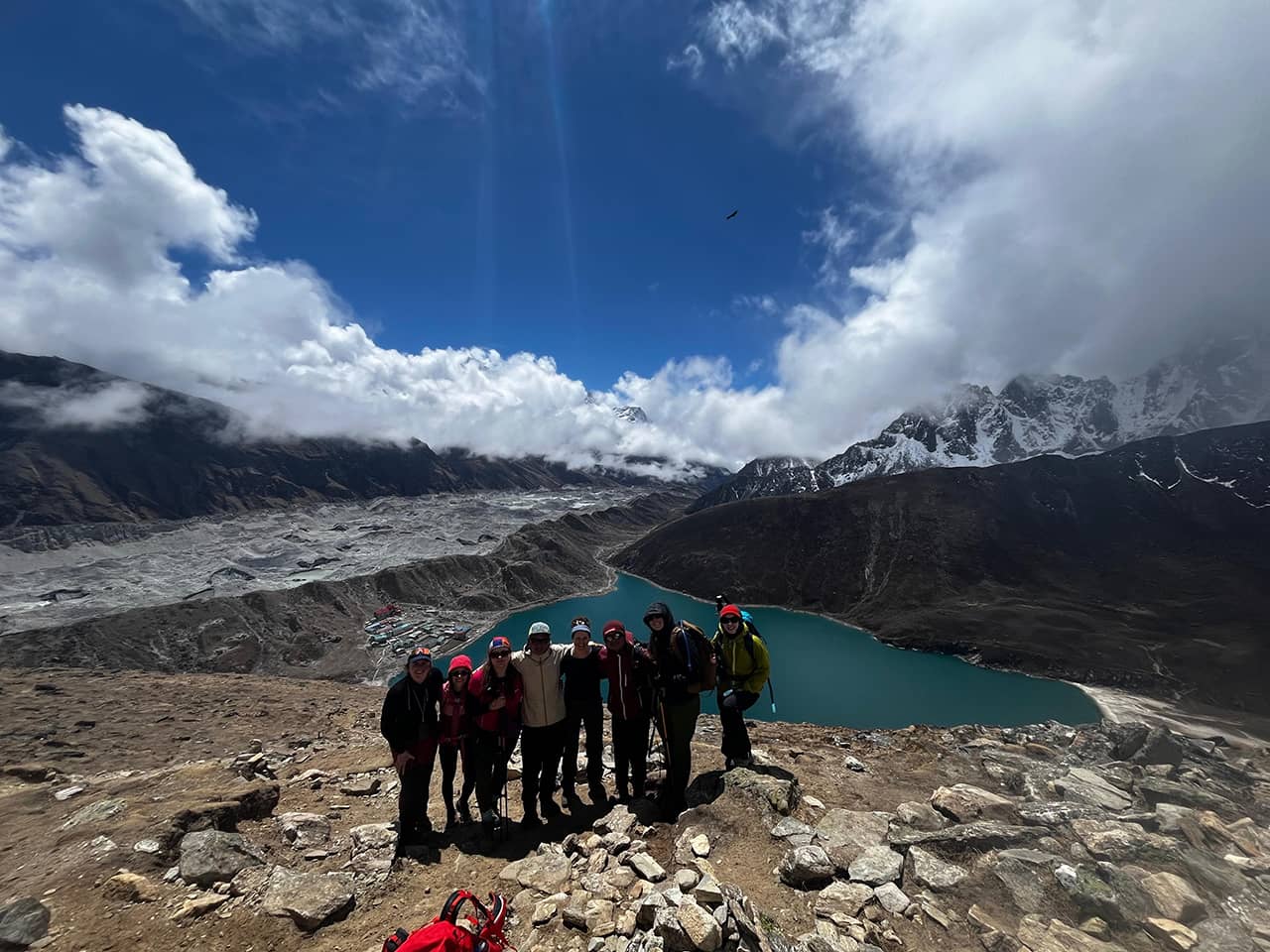
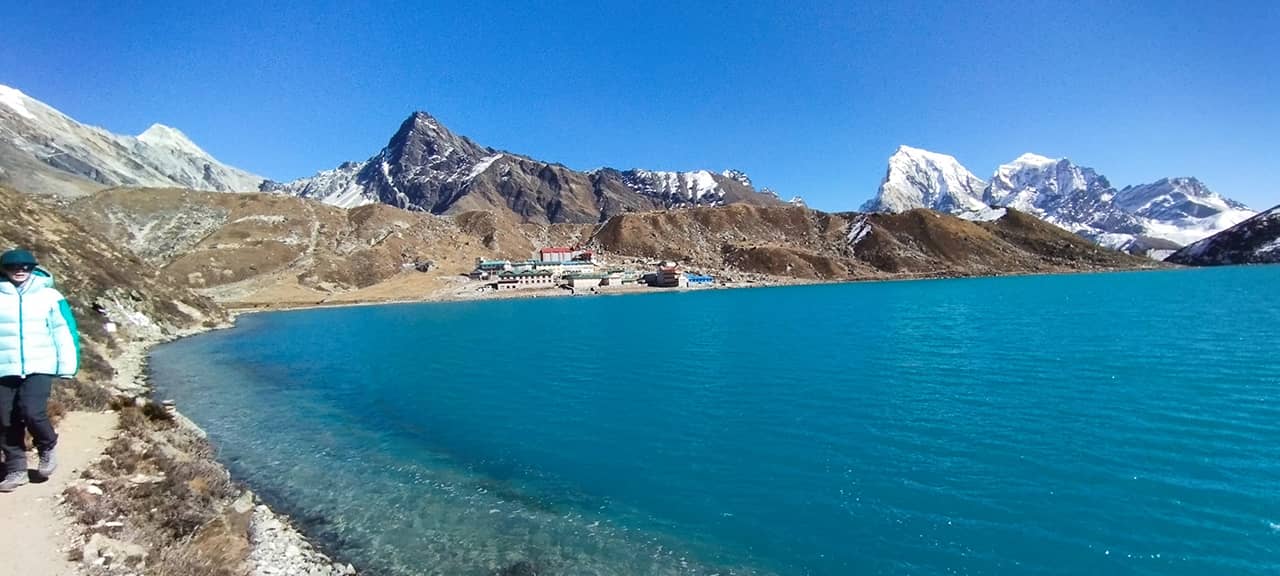
Embark on a journey to the "hidden valley" of the Himalayas. The Gokyo Valley Trek is a visual masterpiece, leading you through Sherpa heartlands to a series of six high-altitude, turquoise lakes nestled at the foot of Mount Cho Oyu. With Summitlaya Adventure, you will experience the perfect blend of rugged adventure and the serene spirituality of the mountains.  

Trek Highlights

The Six Gokyo Lakes: Stand before the shimmering emerald waters of the highest freshwater lake system in the world.Gokyo Ri (5,357m): Reach one of the finest viewpoints in Nepal, offering a 360-degree panorama of four 8,000m giants: Everest, Lhotse, Makalu, and Cho Oyu.
Ngozumpa Glacier: Traverse the edge of the longest glacier in the Himalayas.
Sherpa Culture: Discover the authentic traditions of the high-altitude villages of Dole and Machhermo.
Off-the-Beaten-Path: Enjoy a quieter, more pristine trail compared to the crowded EBC route.

Why Choose Summitlaya Adventure?

At Summitlaya Adventure, we specialize in high-altitude logistics and safety. Our local guides are experts in the Khumbu region, ensuring you have the best acclimatization schedule and an authentic connection with the local Sherpa communities. We provide premium trekking equipment and personalized service to make your Himalayan dream a reality.

 Safety Note: Altitude sickness is a real risk. We include mandatory acclimatization days in Namche and Machhermo to ensure a safe and successful summit of Gokyo Ri.

Itinerary

Day 02: Kathmandu Sightseeing & Trek Prep – Final gear check and briefing
Day 2

Price Includes

  • Airport pick-up and drop by private vehicle
  • Domestic flights as per the itinerary
  • Ground transportation
  • Accommodation (twin-sharing Room During The Trek
  • Daily meals (breakfast, lunch, and dinner and 3 cup tea during the trek
  • Trekking permits National Park fees
  • English speaking Trekking leader
  • Experienced porter (1 porter for every 2 trekkers carrying up to 15kg per person
  • Every 4 Trekkers 1 Assistant Guide
  • Safety & Equipment
  • First Aid kit
  • Oxygen cylinder and oximeter (for high-altitude treks

Price Excludes

  • International Flights
  • Nepal Visa Fees
  • Overstay fines or additional visa extensions.
  • Travel & Medical Insurance. Mandatory for all trekkers and climbers.
  • Trip cancellations lost baggage, or delays.
  • Personal Trekking Equipment & Gear
  • Gear rental if not bringing personal equipment.
  • Meals in Kathmandu & Pokhara
  • Breakfast, lunch and dinner while in cities.
  • Extra Beverages Snacks & Bottled Water
  • Additional Accommodation
  • Hotel upgrades beyond the included standard.
  • Emergency Evacuation & Helicopter Rescue
  • Tips & Gratuities
  • Personal Expenses Souvenirs, laundry, internet, and phone calls.
  • Hot showers and battery charging at teahouse
  • Additional Activities Sightseeing tours,Adventure sports like rafting let us
Tipping Ratio:

In Nepal, it is customary to tip guides and porters. While this might feel unfamiliar, it means a great deal to those looking after you during your journey.

You can give the tips to your head guide at the end of the trip, and they will then be distributed among the entire team. To ensure full transparency, the head guide will distribute the tips to the guides and porters in your presence. Generally, guides receive a larger share of the tips than porters, as they are more highly qualified.

A good rule of thumb is about $140 per person for tips, though the final amount is entirely up to you. If you would like to give an additional tip to a specific team member who supported you personally, please do so directly and privately

Kit Lists

GEAR LIST

For a trek with Summitlaya Adventure your gear needs to be versatile enough to handle the intense temperature swings of the Himalayas ranging from 25°C in the lower valleys to -15°C at high-altitude camps.

Here is the essential gear list for a successful trek in 2026.

1.The Layering System (Clothing)

In the mountains, "cotton is rotten." Stick to moisture-wicking synthetic or merino wool fabrics.

  • Base Layers: 2-3 sets of lightweight thermal tops and bottoms.
  • Trekking Shirts: 3-4 breathable short and long-sleeved shirts.
  • Insulation Layer: A high-quality fleece jacket or a mid-weight synthetic "puffy."
  • Outer Shell: A waterproof and windproof GORE-TEX (or equivalent) jacket and pants.
  • Down Jacket: A heavy-duty "expedition-weight" down jacket with a hood (essential for evenings and early starts).
  • Trekking Pants: 2 pairs of quick-dry hiking pants (one can be zip-off for warmer days).

2.Footwear & Extremities

  • Hiking Boots: Waterproof, high-cut boots with good ankle support. *Pro Tip:* Break these in at least 2 months before your trek to avoid blisters.
  • Camp Shoes: Lightweight sneakers or sandals (Crocs are popular) for letting your feet breathe at the teahouse.
  • Socks: 3-4 pairs of heavy wool/merino hiking socks and 2 pairs of thin liner socks.
  • Gloves: One pair of lightweight inner gloves and one pair of heavy waterproof/insulated mittens or gloves.
  • Headwear: A wide-brimmed sun hat and a warm wool/fleece beanie. A Buff or neck gaiter is vital for protecting your throat from the "Khumbu Cough" (dry air).
  • Packs & Sleep Gear
  • Main Duffel Bag: A 70-90 liter waterproof duffel (Summitlaya often provides these for your porter to carry).
  • Daypack: A 25-35 liter pack for you to carry your water, camera, snacks, and extra layers.
  • Sleeping Bag: A 4-season bag rated to at least -15°C/0°F. (Teahouses provide blankets, but they are not enough at high altitudes).
  • Trekking Poles: Highly recommended to save your knees on the long descents.

 3.Accessories & Tech

  • Eyewear: High-quality sunglasses with UV protection (Category 3 or 4).
  • Headlamp: Essential for "Alpine Starts" or late-night bathroom trips; bring extra batteries.
  • Hydration: 2x 1-liter Nalgene-style bottles. (Avoid plastic bladders as the tubes often freeze above 4,000m).
  • Power Bank: High-capacity (20,000mAh+) to charge your phone and camera, as charging at teahouses can be expensive and slow.

4.Personal Care & First Aid

  • Sunscreen & Lip Balm: Minimum SPF 50. The sun is significantly stronger at altitude.
  • Toiletries: Biodegradable soap, wet wipes (for "mountain showers"), and plenty of toilet paper (rarely provided).
  • Personal Med-Kit: Include Diamox (for altitude), Ibuprofen, Imodium, and a generous supply of blister plasters (Compeed).
  • A Note on Technical Gear
  • If your itinerary with Summitlaya includes a "Trekking Peak" (like Island Peak or Mera Peak), you will also need:
  • Crampon-compatible mountaineering boots.
  • A climbing harness and helmet.
  • Ice axe and crampons.

 5.Note: Most of this technical equipment can be rented through Summitlaya or in Thamel/Namche Bazaar if you don't want to fly with it.

Notes:

MANTHALI TO LUKLA FLIGHT

During the peak trekking seasons (especially in spring and autumn), flights to Lukla Airport may operate from Manthali Airport (Ramechhap) instead of Kathmandu due to high air traffic at Tribhuvan International Airport.

Manthali is located approximately 4–5 hours’ drive from Kathmandu, and flights from here to Lukla are short (around 20–25 minutes). Travelers are usually required to leave Kathmandu very early in the morning (around 1:00–3:00 AM) to catch the flight on time.

This arrangement is managed by airlines to reduce congestion and improve flight safety to Lukla, which is highly dependent on weather conditions.

IMPORTANT INFORMATION

  • Early morning drive from Kathmandu is required
  • Flights depend on weather conditions at both Lukla and Manthali
  • Delays and schedule changes are common
  • Extra buffer days are highly recommended for Everest trekking plans

SUMMITLAYA ADVICE

We always recommend our clients remain flexible with flight schedules. In case of delays or cancellations, alternative options such as helicopter flights can be arranged (at additional cost).


Reviews (0)
Write a Review

No reviews yet for this package. Be the first to review !


Starting From
USD 1300 1200 Per Person
Book This Package

Fill up the form and we will get back to you with a suitable cost for your requirements